
When you think about keeping your home safe, the attic probably doesn't come to mind. But many homeowners discover unexpected issues hiding up there — especially when water starts to intrude. Here's a recent job that took us into the attic, and what happens when water meets your living space (or garage, in this case).
The discovery
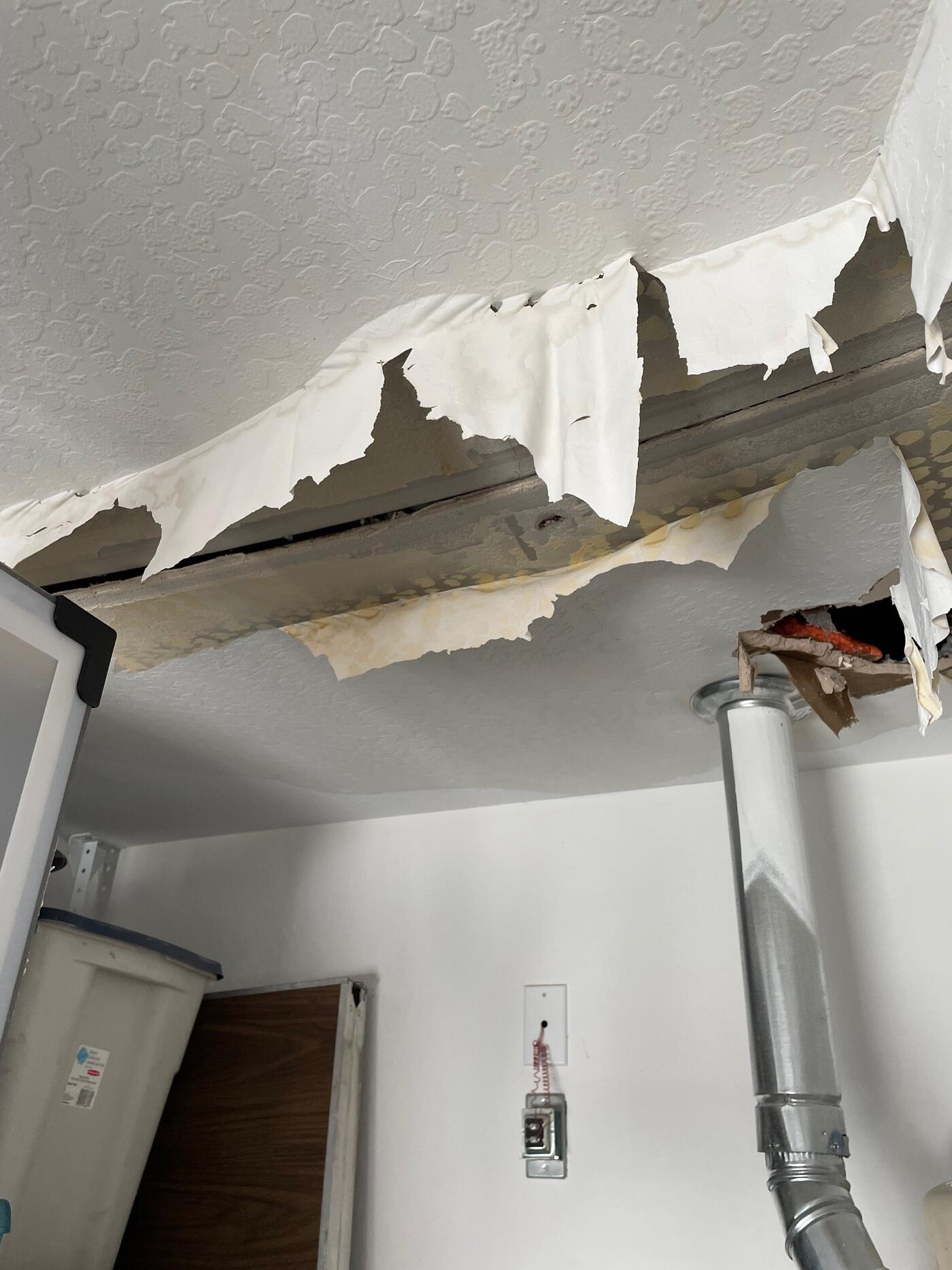
We got a call from an insurance carrier partner reporting a flooded attic over a garage. As we entered, we immediately noticed a patch of drywall stained, sagging, and damaged from the weight of water. This wet surprise needed immediate action. According to the American Homeownership Foundation, nearly 37% of homeowners experience some form of water damage — these discoveries are more common than you'd think.
Assessing the damage
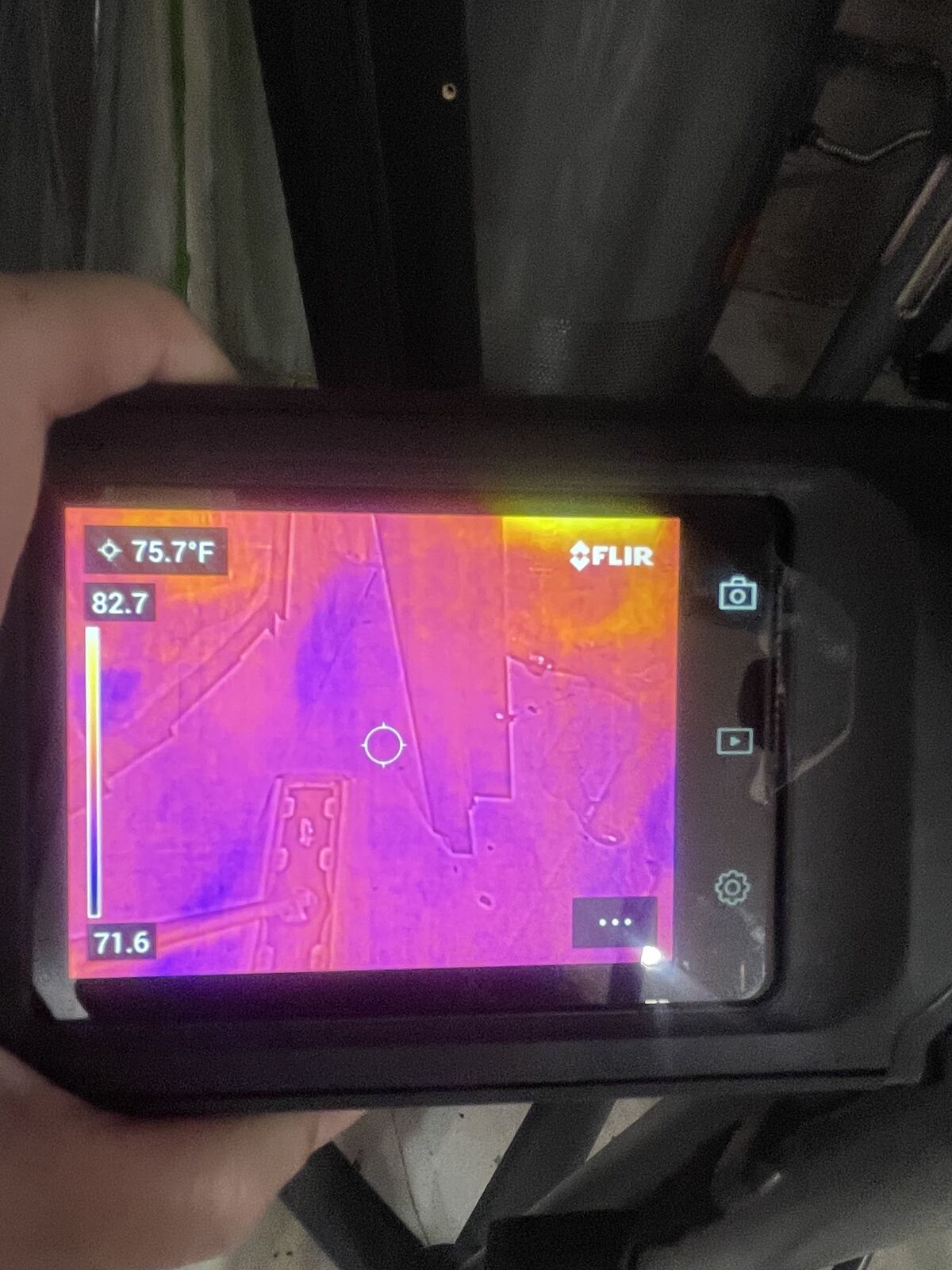
With a moisture meter in hand, we discovered the water-damaged insulation wasn't the only issue — the ceiling and drywall showed major signs of saturation. Prompt restoration is crucial: untreated mold can spread quickly, and per the CDC it can begin growing within 24 to 48 hours of water exposure. Documenting the damage with clear photos was essential for the insurance claim.
Getting to the root of the issue
Water intrusion can arise from many origins — roof leaks, faulty gutters, or poor ventilation causing condensation. Upon closer inspection, we found the main issue was a ruptured water line in the attic — repaired by our plumbing team.
Mitigation and restoration
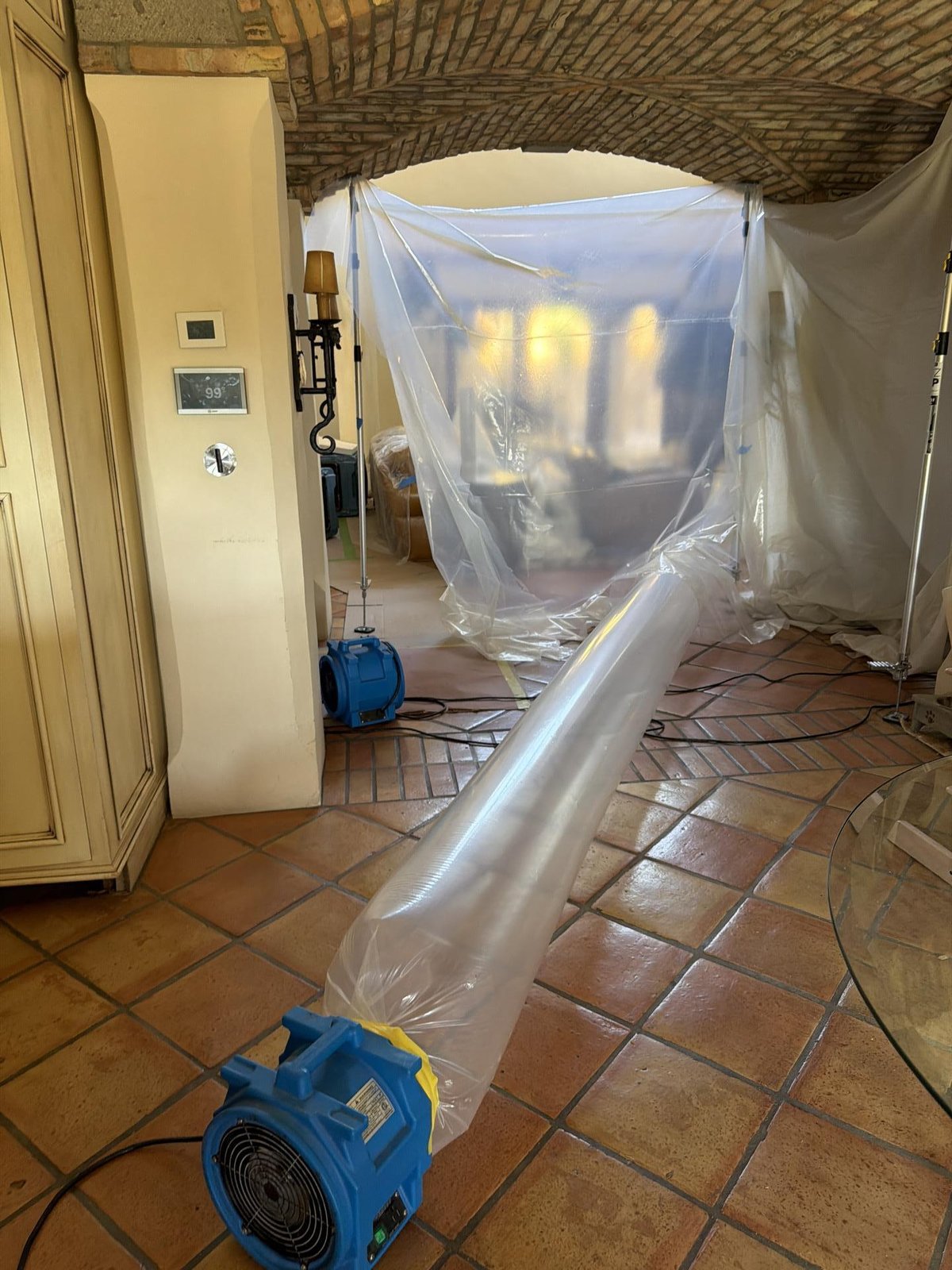
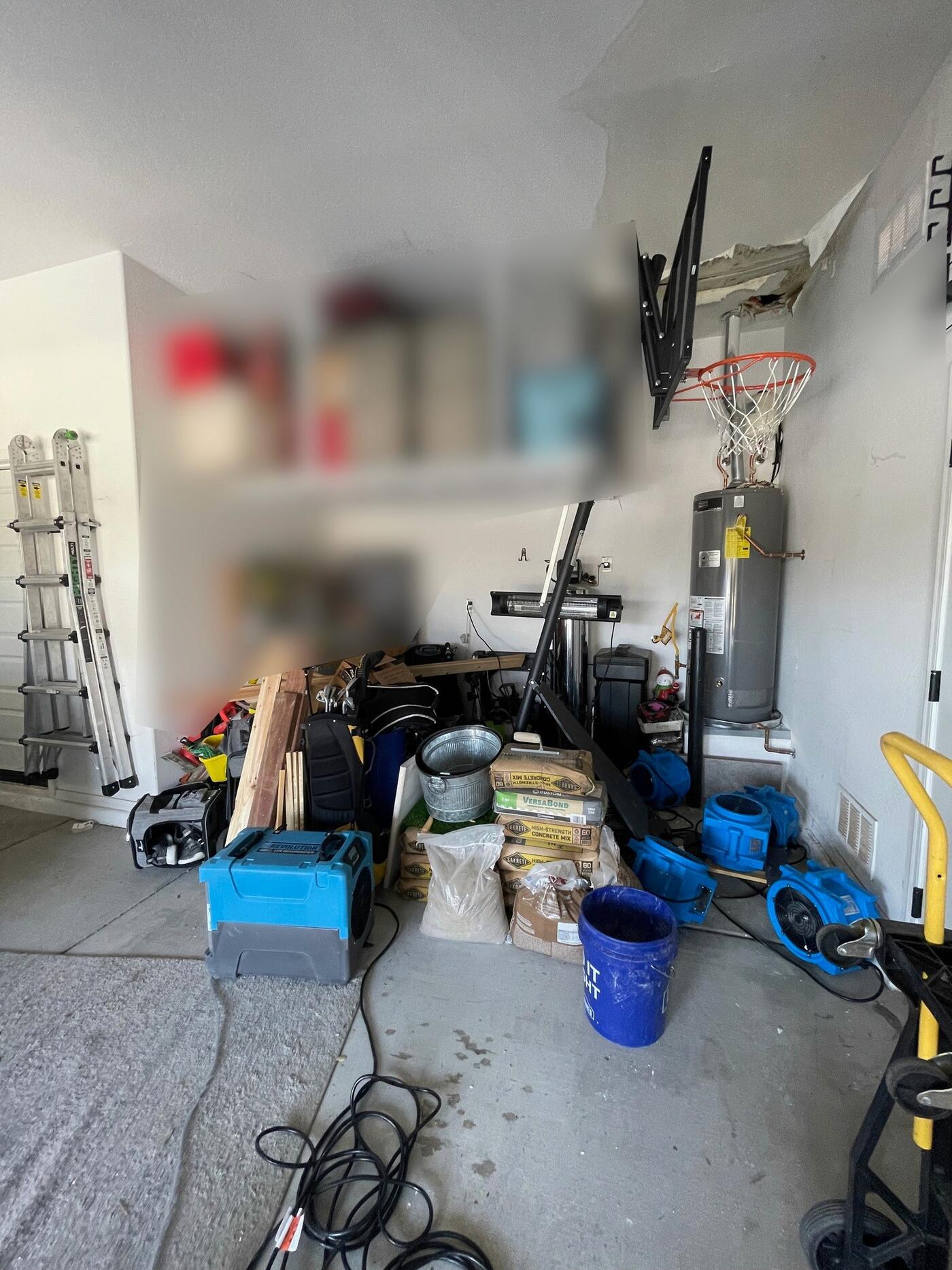
Luckily it only affected the garage, not any adjacent interior areas. The biggest safety issue was the high ceiling — wet drywall up there posed a real hazard. We arrived with industrial fans and dehumidifiers and set up equipment to dry the affected areas rapidly. We also streamlined the claims process, making it easier for the homeowners to get back to being safe, restored, and most of all, DRY.
Prevention tips moving forward
After handling the immediate problem, we shifted to prevention. A few effective strategies to keep your attic dry and safe:
- Regular inspections: Check your attic every few months for signs of water damage or leaks. Catching issues early saves money and stress.
- Gutter maintenance: Keep gutters clear of leaves and debris. Clogged gutters can overflow and let water seep into the attic.
- Proper ventilation: Make sure your attic has adequate airflow to reduce condensation and prevent mold growth.
- Seal and insulate: Inspect and repair roof vents regularly, and ensure proper insulation.
- Professional help: If you notice a potential problem, don't hesitate to call. Regular maintenance checks help you stay ahead of issues.
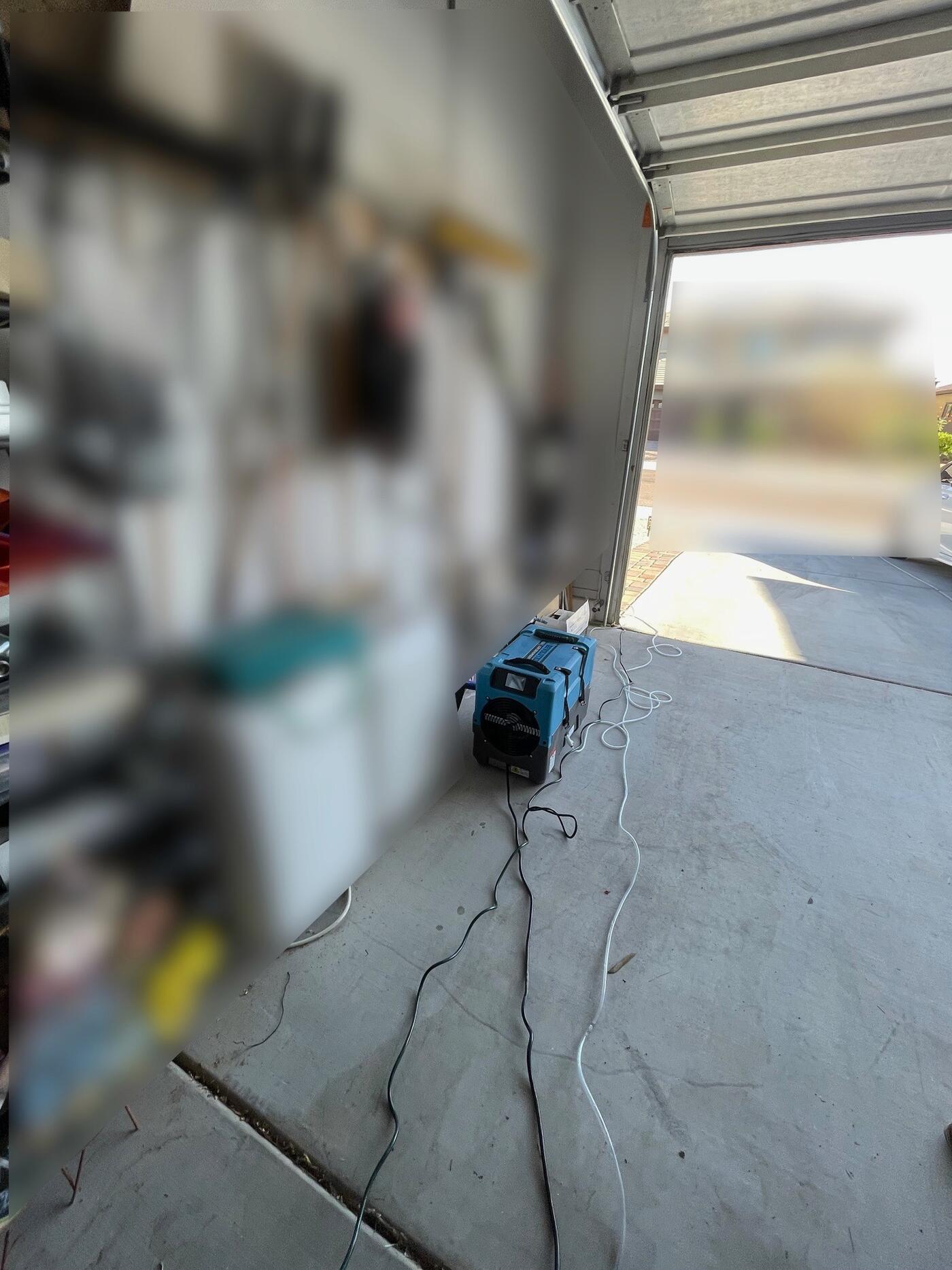
Another happy customer
We got the homeowners' garage back in order and worked with the insurer to maximize their claim. Another customer left happy and DRY!